
Click here to download as PDF.
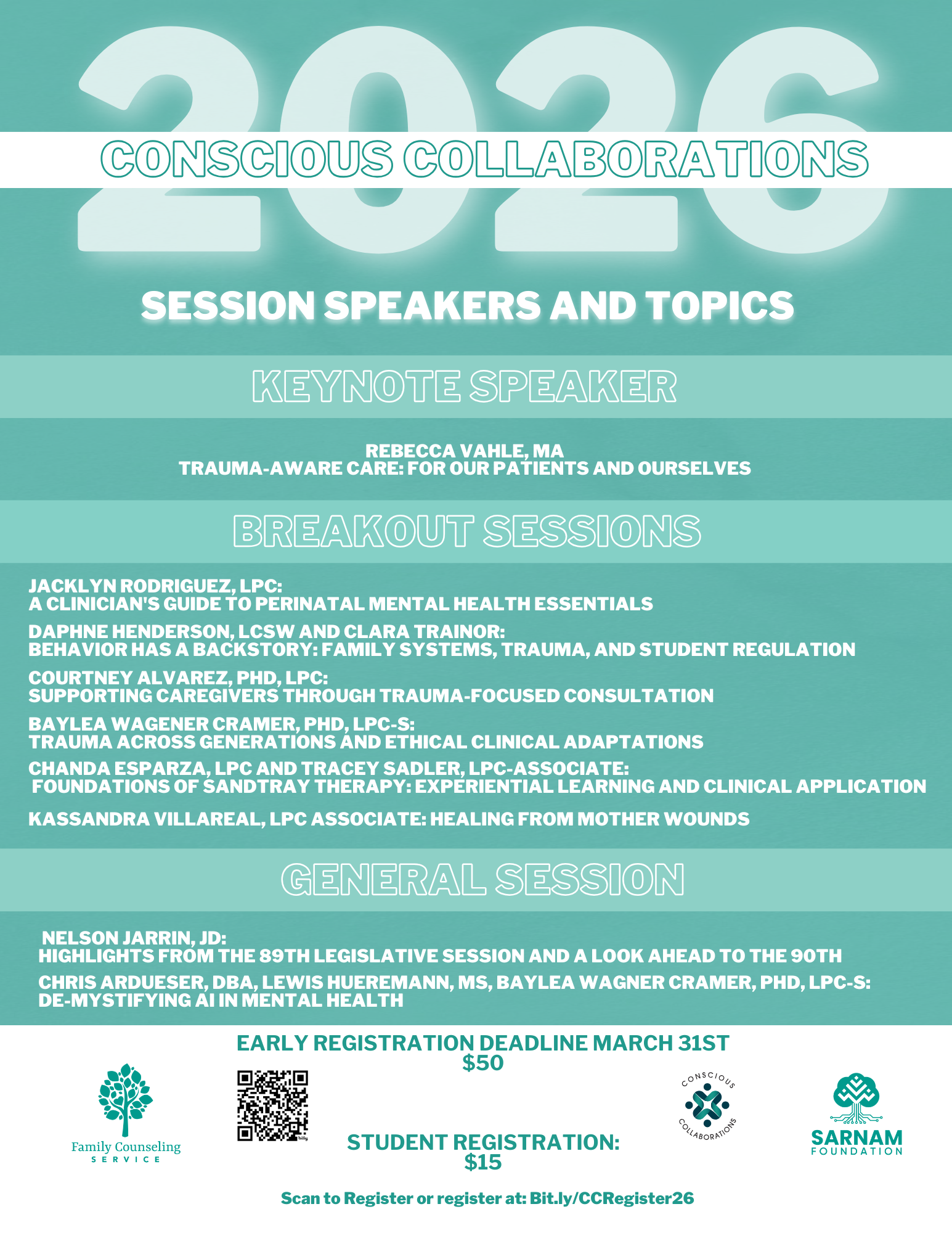
Session Speakers and Topics
Keynote Speaker: 8:30AM – 10:00AM
Rebecca Vahle, MA
Trauma-Aware Care: For Our Patients and Ourselves
This presentation provides professionals with essential knowledge and practical tools for understanding and responding to trauma in clinical settings, particularly as it overlaps with Substance Use Disorder. Participants will review trauma's definition, prevalence, and impact on physical health and mental wellbeing. Through a neurobiological lens, the session examines how trauma affects brain structure, stress response systems, and behavioral patterns. Attendees will learn how toxic stress impacts everyone—including providers—and discuss the impact of resilience practices, such as The Trauma-Aware Take 2 model (TAT2). This model offers a practical framework to take two minutes to recognize, regroup and reset during challenging interactions. By integrating neuroscience with actionable techniques, this session equips participants to create safer therapeutic relationships and implement trauma-informed practices that improve outcomes and reduce burnout.
Session Speakers and Topics
Breakout Session 1: 10:10am - 11:10am
Jacklyn Rodriguez, LPC, Perinatal Mental Health-Certified
A Clinician's Guide to Perinatal Mental Health Essentials
Perinatal Mood and Anxiety Disorders (PMADs) are common yet frequently underrecognized conditions that impact individuals and families during pregnancy and the postpartum period. This presentation provides an overview of perinatal mental health, including common diagnoses such as mood, anxiety, trauma-related, and obsessive-compulsive disorders. Participants will explore current understandings of the etiology of perinatal mental health conditions, emphasizing the interaction of biological, psychological, relational, and environmental factors.
The presentation will identify key risk and protective factors, including mental health history, social support, identity-related stressors, and access to affirming care. Evidence-informed treatment options and clinical approaches will be reviewed, with attention to trauma-informed and culturally responsive practice. Participants will also learn the importance of inclusive and affirming language in perinatal spaces and examine how social and political barriers influence access to care. The presentation concludes with increased awareness of perinatal mental health resources and practical considerations for supporting clients across the perinatal continuum.
Baylea Wagener Cramer, PhD, LPC-S
Trauma Across Generations and Ethical Clinical Adaptations
Trauma does not occur in isolation; it circulates through relational systems, generational narratives, and now increasingly through digital landscapes. While intergenerational trauma has long been recognized as a core mechanism of transmission within families and communities, contemporary exposure to media saturation and algorithm-driven content has altered the speed, intensity, and reinforcement of traumatic stress.
This presentation explores the mechanisms through which trauma is transmitted across generations, examines how modern media and digital exposure have expanded the landscape of trauma transmission, and considers the implications for clinical practice. Particular attention will be given to the ethical and intentional integration of emerging technologies, including AI, as potential tools within trauma-informed care. Participants will leave with a conceptual framework for understanding the evolving ecology of trauma and practical considerations for adapting counseling practice to meet the needs of clients in a digitally saturated world.
Chanda Esparza, LPC and Tracey Sadler, LPC-Associate
Foundations of Sandtray Therapy: Experiential Learning and Clinical Application
This presentation provides an brief introduction to Sandtray Therapy grounded in the training standards and philosophy of the Texas Sandtray Association. Participants will explore the theoretical foundations of sandtray, the role of symbolism and metaphor, and the therapeutic use of miniatures and the sand world in clinical practice. Emphasis will be placed on experiential learning, ethical considerations, and culturally responsive applications of sandtray with children, adolescents, and adults. Attendees will gain practical insights into facilitating sandtray sessions while honoring the client’s inner process and meaning-making.
Session Speakers and Topics
Breakout Session 2: 11:30AM-12:30PM
Daphne Henderson, LCSW and Clara Trainor
Behavior Has a Backstory: Family Systems, Trauma, and Student Regulation
Students do not regulate in isolation; regulation develops through relationships and systems. This presentation explores how family systems and trauma contribute to student dysregulation, reframing challenging behavior as a response to stress rather than defiance. Using a trauma-informed, systems-based framework, participants will learn practical strategies to foster connection, co-regulation, and supportive learning environments that promote student regulation.
Courtney Alvarez, PhD, LPC
Supporting Caregivers Through Trauma-Focused Parent Consultation
Caregivers play a central role in the healing process for children and adolescents who have experienced trauma. Their capacity to provide safety, emotional attunement, and co-regulation is deeply rooted in the attachment relationship, making caregiver involvement essential in trauma-focused work. Participants will learn how parent consultation can be utilized to help caregivers understand the impact of trauma on child development and behavior; understand the impact of trauma and the trauma response on their parent-child relationship; and respond in ways that support their child or adolescent. The session will focus on practical, trauma-informed strategies to help caregivers recognize and regulate their own reactions and navigate the trauma response from their child and in the parent-child relationship.
Kassandra Villareal, LPC Associate
Healing From Mother Wounds
Informative presentation about the basics of Mother Wounds, such as how they develop, types of attachment with mother's, and behavior traits that are associated with a Mother wound. Also, what considerations are important for a therapist to keep in mind when treating someone with a mother wound. Including therapeutic modalities and exercises that are especially impactful in helping a woman to heal from a Mother Wound.
Session Speakers and Topics
General Session 1: 1:40PM-2:40PM
Nelson Jarin, JD
Highlights from the 89th Legislative Session and a Look Ahead to the 90th
The presentation will review key mental health funding and policy initiatives from the 89th Legislative Session in 2025. The presentation will then review key interim activities of the 2025-26 biennium including the Sunset Advisory Commission, the Rural Health Transformation Program, the 2026 election cycle, and interim charges for committees. Finally, the presentation will highlight potential areas of focus for the 90th Legislative Session.
General Session 2: 3:00pm-4:00pm
Panelists: Chris Ardueser, Lewis Hueremann, Baylea Wagner Cramer
De-mystifying AI in Mental Health: AI Panel Discussion
Artificial intelligence becomes increasingly embedded in operational layers, used by students, and a resource for clinicians. Today's panel brings together an educator, a mental health provider, and an operational leader to examine how AI is reshaping learning, clinical practice, and system design in real time.
From the educator's perspective, the panel will examine the distinction between recognition and recall in AI-assisted learning. As students rely more on AI for answers and feedback, recognition skills may outpace independent recall, creating rational uncertainty about true competence. The discussion will highlight assessment strategies that differentiate irrational anxiety from genuine recall gaps and introduce structured approaches, including a Three-Level Assessment Framework, to build verifiable recall alongside responsible AI use.
From the mental health provider's lens, the panel will examine the clinical implications of this cognitive and cultural shift. As AI alters how individuals learn, work, and evaluate their own abilities, clinicians must recalibrate how they assess confidence, competence, and anxiety. Panelists will discuss trauma-informed and developmentally responsive strategies for integrating AI into practice ethically and intentionally, as well as ways AI can enhance assessment quality and clinical consistency without compromising relational care or professional judgment.
From an operational viewpoint, the conversation expands to systems governance and the mental health provider at the operational level. AI is increasingly functioning as infrastructure within mental health settings, supporting documentation, measurement-based care, supervision, quality assurance, administrative workflows, and a resource for treatment plans. The panel will highlight practical use cases that reduce administrative burden and improve operational reliability, while also addressing governance, ethics, and organizational readiness for responsible adoption.
Together, the panelists' perspectives offer a unified framework: AI is not simply augmenting tasks; it is reshaping how competence is built, how care is delivered, and how systems function. Attendees will leave with cross-disciplinary insights and strategies to strengthen independent capability, elevate clinical standards, and build ethically grounded, AI-ready organizations.